Uber Drivers Don’t Have a Pay Problem—We Have a Supply Problem
Portland is considering a rule requiring Uber to give drivers 80% of fares. This sounds great, but the numbers and economics show that this good intention could ultimately hurt drivers and passengers.
But this isn’t just speculation. We can also draw on real-life examples, which show these effects in action.
The Iran War and 15,110 Uber Conversations
So why does an Uber driver have anything to say about any of this?
Because over the past several years, I’ve given 15,110 rides. That means more than 15,000 people have gotten into the back seat of my car, each bringing their own stories, beliefs, fears, and perspectives. One unexpected skill I’ve developed from this job is listening.
Who Are an Uber Driver’s Coworkers?
Rideshare driving is different. Most of the time it’s just you, your car, and the road ahead. Technically speaking, every driver in your city is a competitor. We’re all waiting for the same ride requests, and if there are more drivers on the road, there may be fewer trips to go around. From that perspective, it might seem like rideshare drivers don’t really have coworkers at all.
Autonomous Cars Are Coming for Uber Drivers — Should We Be Worried
Even in a future with autonomous vehicles, one thing will remain true: Driving rideshare is more than just transportation. It’s conversations. It’s random stories. It’s moments where you see the good, the strange, and sometimes the sad parts of people’s lives. Technology may replace driving.
But the human experience of rideshare is something entirely different.
Kindness Pays: The Fastest Way to Protect Your Uber Rating and Tips
Kindness works both ways: it helps passengers, and it protects drivers’ well-being.
Rideshare driving can already be stressful enough. Traffic, navigation, long hours, and unpredictable riders all add pressure. If every frustrating moment turns into anger or resentment, the job becomes exhausting.
But when you approach situations calmly, those moments lose their power over you. You stay healthier. You stay happier. And you can keep driving with a clear mind.

AI Is Coming for Uber Drivers—But Maybe Not Chauffeurs
Autonomous cars are going to replace my Uber gig.
Maybe not tomorrow. Maybe not next year. But it’s coming, and the math is obvious. Software doesn’t get tired. It doesn’t argue with passengers. It doesn’t need tips. It doesn’t slip on ice and throw its back out.
Instead of denying what’s coming, I reframed the question: If AI is dividing, not destroying, industries, what roles will persist, and where should we pivot before it’s too late?
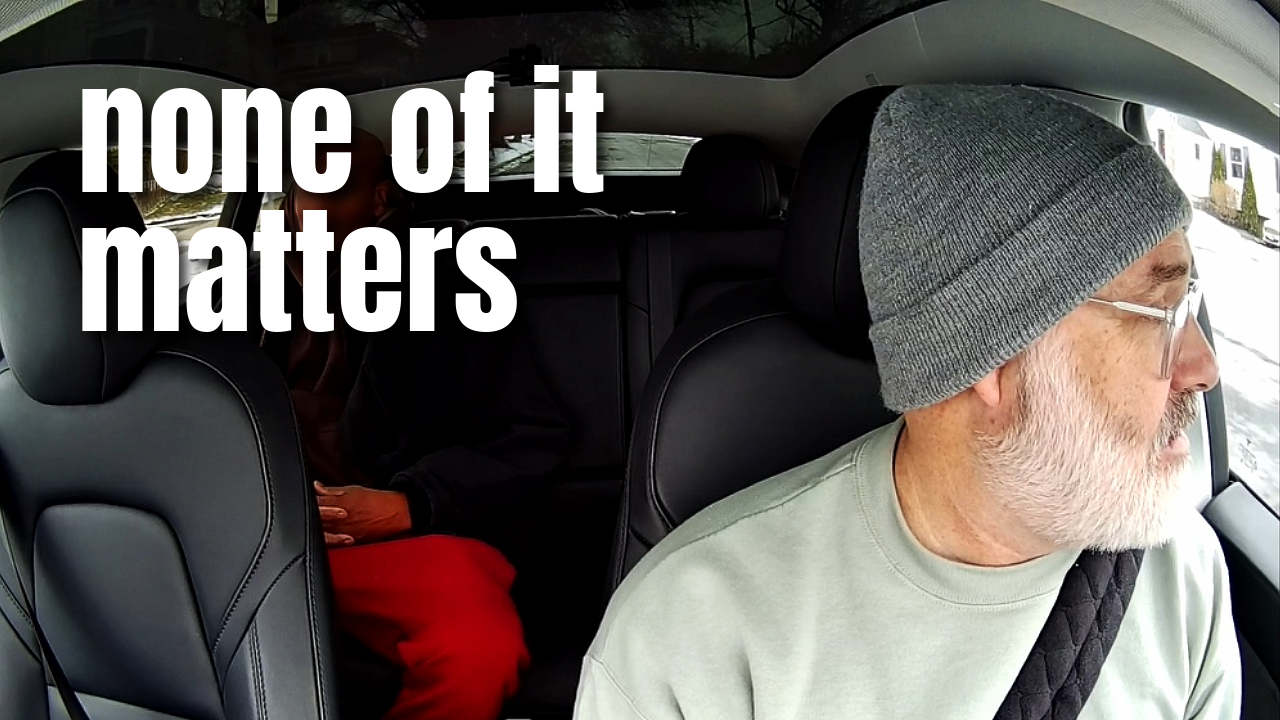
None of it Matters. And all of it Does.
My wife and I argued about bills today. So I went out to Uber.
A recent quote from Uber CEO Dara Khosrowshahi on Verge’s Decoder podcast struck me. Paraphrased:
If AI agents bring Uber new customers, Uber will work with them. If those agents take customers away from the Uber app, Uber will charge them heavily.
That one idea explains a lot about how Uber sees the future and why I think Uber’s biggest challenge isn’t competition, regulation, or even autonomous cars. It’s something deeper.
Ubering Through a Syracuse Blizzard
Syracuse saw more than two feet of snow fall in a single day, the most in decades. Local officials warned people to stay off the roads. Plows struggled to keep up. Visibility dropped. The city slowed to a crawl.
I Chased Uber Surges on New Year’s Eve—Then One Ride Stopped Meoc
New Year’s Eve is one of those nights every rideshare driver circles on the calendar. Big crowds. Big emotions. Big money... at least in theory.
This year, I decided to go all in. I created a plan, cleared my schedule, and committed to seeing how far I could push myself. By the morning, I had earned $613, spent 18 hours out of the house, and driven 323 miles.
But the biggest lesson of the night wasn’t about surge pricing, bonuses, or tips. The most important thing came from a single ride that never even happened, reminding me what truly matters in this work.

What Passengers Don’t Realize About Uber Drivers - A Response to Ryan Clark
ESPN analyst and former NFL player Ryan Clark recently shared a story. He’s tired of being “musically profiled” in Uber rides, drivers switch to rap without asking, assuming that’s his preference.
I’m an Uber driver. And I have thoughts.
I'm not here to defend or dismiss. Instead, I want to clarify what’s probably really happening inside the car: these moments are rarely about conscious profiling, but rather about drivers making quick, imperfect guesses to create a positive experience.
Uber Tricked Me With a “Perfect” $166,948/Year Ride
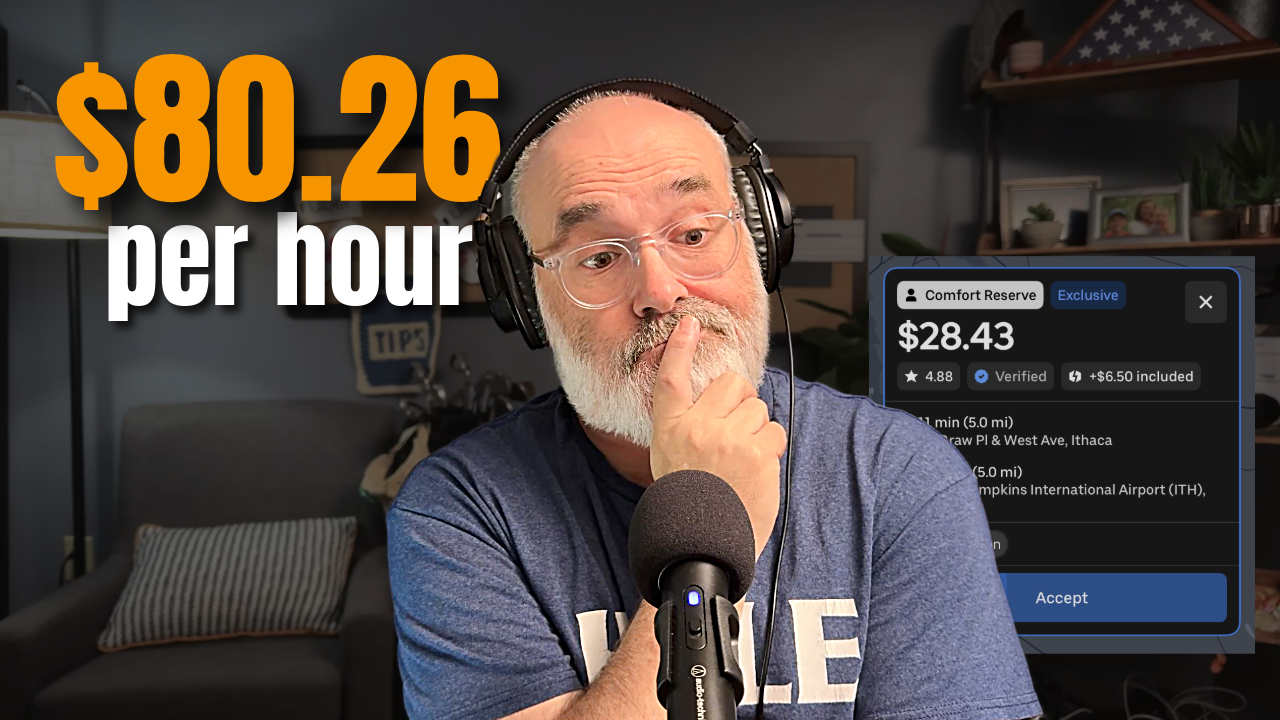
At 4:00 a.m., I turned on the Uber app and immediately got what looked like a unicorn. A 20-minute, 10-mile Uber Comfort ride to the airport, paying $28. If you annualize that rate, it works out to roughly $166,000 a year. But as soon as I accepted, regret set in.

$47 Uber - $23 for Insurance and Driver ONLY Got $9!
esterday, I picked up a passenger at a hotel and took them to the airport to rent a car. The ride was a short 7-mile trip, and Uber said I’d earn $9.20. Nothing unusual there.
Then, a few minutes after I dropped them off, my phone buzzed: a $9.50 tip. More than the fare itself.
It caught me off guard. Like, why was it more than my earnings, and why was it such an odd number? On rare occasions, passengers are super generous and tip $20 or more. But this was a young guy on a business trip.
So I opened the trip receipt in the Uber app, and that’s when things got interesting. The passenger had been charged $47 for that short weekday ride, and it wasn’t even during a busy rush.

How Much Can You Actually Make Driving Uber?
I love uber driving. I love the flexible hours, absence of a boss, and freedom to choose when and where I work.
But how profitable has it been after five years behind the wheel? I want to share an extensive breakdown of my earnings, expenses, and insights I’ve gained from more than 13,000 trips.

Uber Passenger Tracked Me Down and Me, The Uber Driver, Learned a Lesson
Last week, a passenger found me—not on social media, not in person, but by using Uber’s lost item feature. That’s right. Uber messaged me saying a passenger had reported a lost item and gave me his number so I could follow up. Turns out, there was no lost item at all. He just wanted to ask me one thing:
“Did you get the tip I left you?”

Setting Realistic Expectations for Rideshare Drivers
Hey drivers! I want to share some harsh facts that I've learned from my experience as a rideshare driver. My one key takeaway is to set realistic expectations. Let's dive into what that means for us out on the road.

Tips for Rideshare Drivers to Pick Profitable Trips
Picking trips is hard, and here's a little bit of how I pick trips, so take a look at what I'm doing.

Rideshare Masterclass Live
This is Thrive, my Uber and Lyft rideshare driver masterclass I created this for you. I hope you enjoy it!
Rideshare driving offers rideshare drivers awesome flexibility. It's the ultimate gig work. We get people to and from their destinations with a smartphone and a vehicle. And we earn a little money too. However, not all drivers thrive equally. Success for us hinges on mastering five core principles:
Drive when a lot of people need rides.
Drive-in areas with fewer drivers.
Pick profitable trips.
Reduce our costs.
Maximize our tips.
While the foundation of rideshare success is universal, every driver's journey is unique. My guide provides drivers with a framework to help understand how to make the most amount of money possible.

What Uber and Lyft Rideshare Drivers Can Do to Prepare for the Autonomous Car Revolution
While passengers appreciate the quality drivers provide, they prioritize price and speed. With autonomous cars promising lower fares, drivers must prepare for the inevitable.

Managing Uber Driver Stress
For me, it's all about getting out of the car and taking a quick walk. I love using my Apple Watch to close my rings and get moving. Whether it's for 5 or 10 minutes, stepping outside, especially in a beautiful place like Ithaca, NY, makes all the difference.